A hotel lobby can look exceptional in photographs and still feel underwhelming in reality.
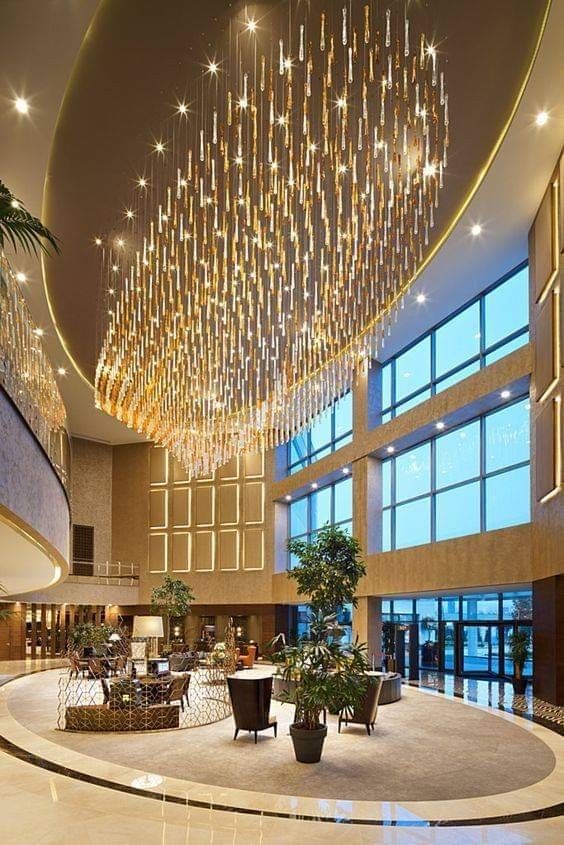
Most developers and designers have encountered this at some point. The materials are refined, the furniture is carefully selected, and the lighting fixtures are visually striking. On paper, everything aligns with the intent to create a high-end environment.
And yet, when guests arrive, the experience often falls short of expectations.
This gap is rarely about aesthetics alone. More often, it comes down to how lighting is understood and applied within the space.
Rethinking the Role of Lighting
Traditionally, lighting has been approached from two directions: functional and decorative. As noted by Nicholas Engert , functional lighting ensures visibility, while decorative lighting contributes to visual interest and atmosphere.
In practice, however, many projects still treat lighting primarily as a visual layer — something that completes the design composition.
The limitation of this approach is subtle but significant. It assumes that visual appeal will naturally translate into a compelling experience.
In reality, it often does not.
When Lighting Becomes Passive
A space designed around decorative lighting tends to prioritize how individual elements look, rather than how the environment is perceived as a whole.
The result is a kind of visual completeness without experiential depth.
Guests may notice the fixtures, but they are not guided by them. Movement through the space feels unstructured. Key areas do not stand out clearly, and the overall atmosphere lacks variation.
Nothing is technically wrong, yet nothing feels particularly engaging.
This is where many well-designed hospitality spaces lose their impact.
From Visual Composition to Spatial Experience
Experiential lighting shifts the focus from objects to people.
Instead of asking how a fixture looks, it considers how light shapes attention, movement, and emotion. It introduces hierarchy — deciding what should be seen first, what should recede, and how different zones relate to one another.
Layered lighting plays an essential role here. As Engert suggests, combining functional and decorative lighting allows a space to develop mood and clarity at the same time, rather than forcing a choice between the two.
In a hospitality setting, this means designing lighting as a sequence rather than a static condition.
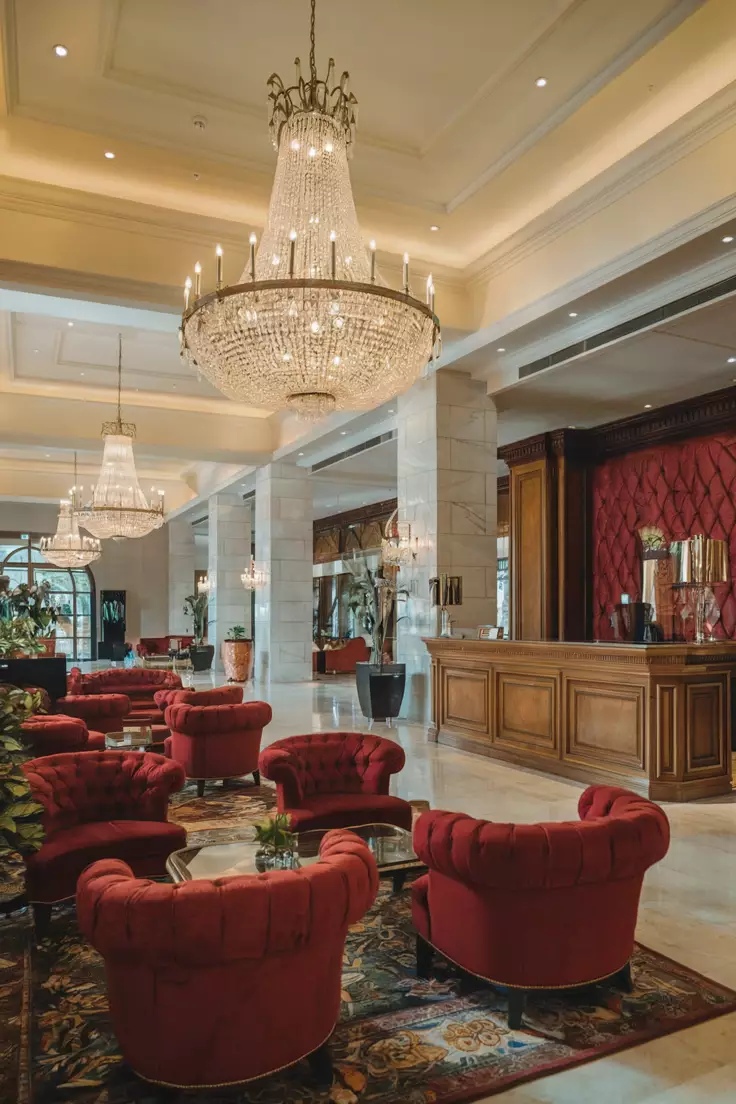
Arrival, reception, circulation, and seating areas should not feel uniformly lit. Each should carry a slightly different intensity, focus, and atmosphere, helping guests intuitively understand where to go and how to feel within the space.
What Guests Actually Remember
Guests rarely recall technical details such as brightness levels or fixture specifications.
What stays with them is the overall impression: whether the space felt welcoming, whether it held their attention, and whether it offered moments of contrast or pause.
Lighting is central to that impression, even when it goes unnoticed.
It frames the experience rather than announcing itself.
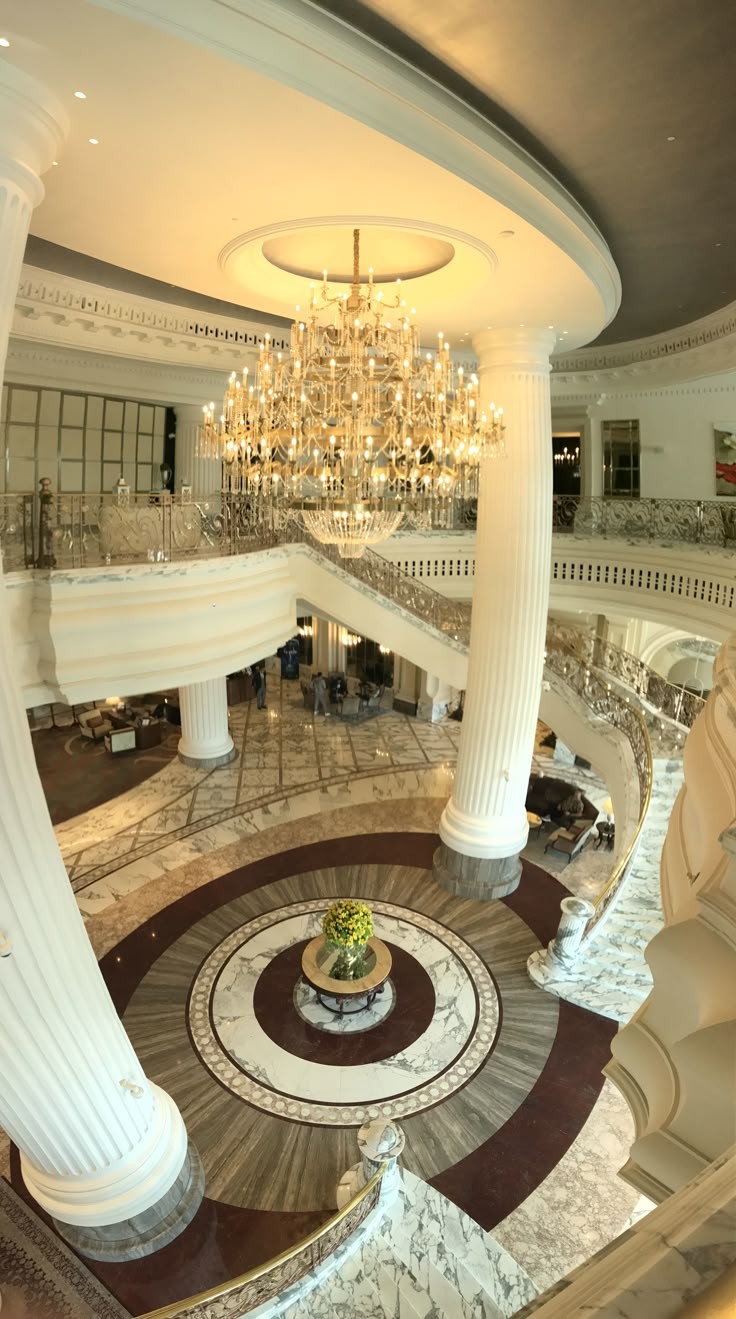
The Business Implication
For hospitality brands, this distinction has practical consequences.
A space that is visually appealing but experientially flat is less likely to stand out in a competitive market. It may meet expectations, but it does not exceed them. Over time, that limits differentiation and weakens brand recall.
By contrast, spaces that are shaped through intentional lighting tend to feel more coherent and memorable. They encourage guests to linger, to explore, and ultimately to associate the environment with a distinct identity.
A More Intentional Approach
Designing with experiential lighting in mind does not necessarily require more fixtures or higher budgets. It requires a shift in perspective.
Key questions change from:
How does this look?
to:
What does this draw attention to? How does this guide movement? Where does the atmosphere need to change?
These considerations turn lighting into a strategic tool rather than a finishing touch.
Conclusion
Decorative lighting contributes to how a space is seen.
Experiential lighting shapes how a space is lived.
In hospitality, that difference is critical. Because long after guests forget the details, they remember how the space made them feel — and whether it was worth returning to.