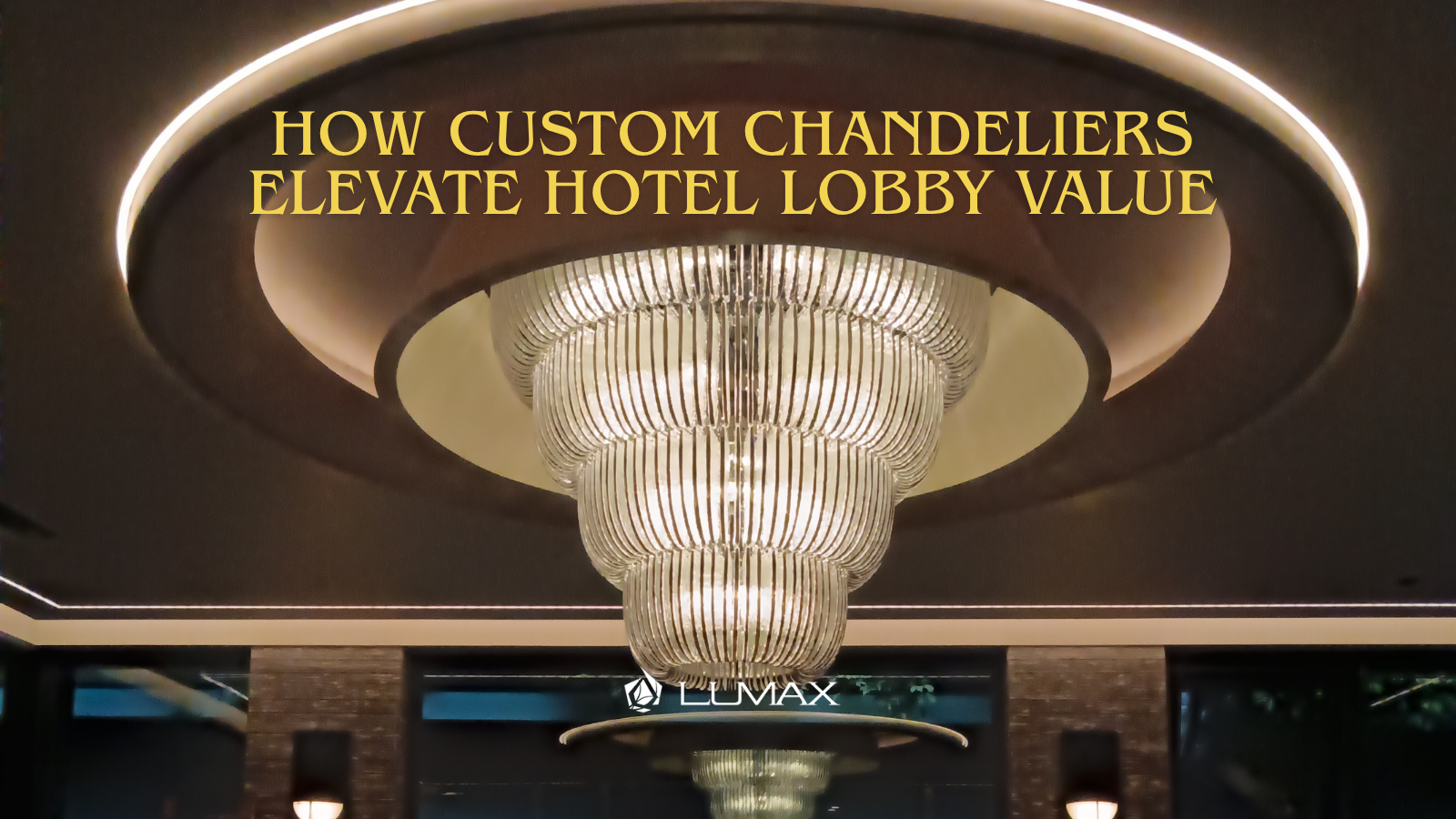
One thing I’ve learned from working on hospitality projects:
Most costly problems don’t come from bad design.
They come from timing.
I’ve seen projects where everything looked perfect at the beginning — beautiful renderings, strong concepts, premium materials.
But once installation started, things began to fall apart.
The chandelier didn’t align with the furniture layout. Ceiling structures blocked installation points. What looked right on paper became difficult on site.
And then the same cycle begins:
Adjustments. Delays. Extra cost.
What’s interesting is — this isn’t rare.
It happens a lot more than people expect.
And in most cases, the reason is simple:
Lighting was considered too late.
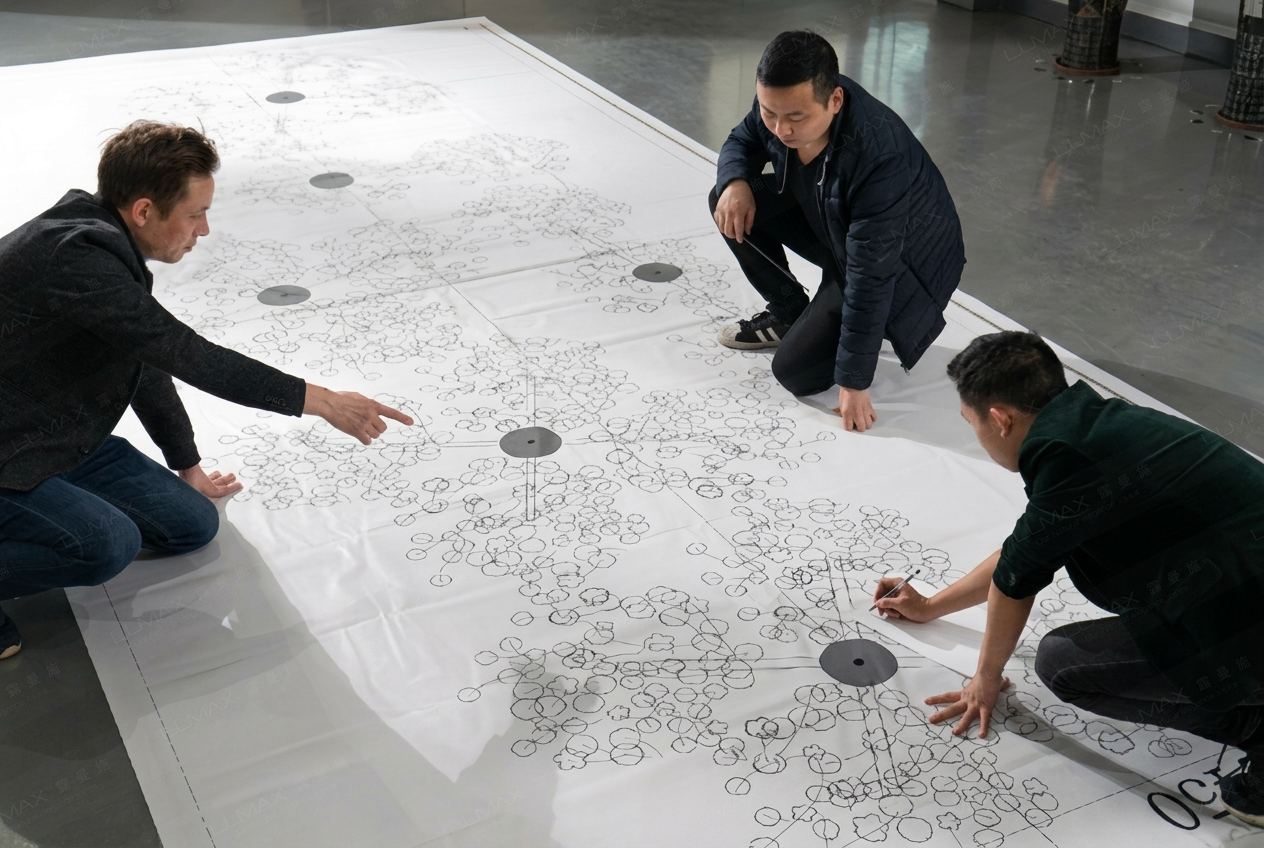
In many projects, the process looks like this:
FF&E gets finalized first. Lighting is selected afterwards — often based on visuals.
At that stage, it already feels "good enough."
But the deeper coordination hasn't happened yet.
And that gap only shows up during execution.
From my experience, lighting is not just a product decision.
It affects structure, space, and how people experience the environment.
If it's not aligned early with FF&E and architecture, even a well-designed piece can create problems later.

That's why in projects I'm involved in, I always try to bring lighting into the conversation earlier.
Not to complicate things — but to avoid complications later.
When lighting is aligned early:
Scale makes sense Positioning works Installation becomes smoother
And more importantly — the project feels controlled, not reactive.
For developers and project teams, this often means fewer surprises, fewer revisions, and better outcomes.
Especially in luxury hospitality, where small misalignments become very visible.
I don't see lighting as a finishing touch.
I see it as part of the foundation.
If you're currently working on a hotel or hospitality project and want to avoid late-stage lighting issues,
it might be worth reviewing your lighting plan earlier than usual.
Sometimes, a small shift in timing can save a lot more than expected.